Stump Grinding Help for Princeton Homeowners
Request a stump grinding estimate
A stump is what remains once the tree is gone. It trips people, blocks mowing, and hides roots that keep spreading. In the Princeton area, winter frost and spring snowmelt soften the ground around old stumps and make them easier to catch a foot on.
Polandscientist Tree Service is a referral service. We do not grind stumps. We connect you with independent providers in our network who do, and we explain the usual options first. You can compare grinding with full removal, learn what affects the price, and know what to expect on the day. Then you pick the next step with a clear picture of the work.
A Stump in the Way: What to Know First
A stump will not fix itself. It will not rot away fast. Some species send up new shoots for years. The sooner you pick an option, the less it costs your yard.
This page covers grinding only. It lists the options, the hazards, and the steps from first request to cleanup.
Urgent Stumps: Move These to the Top
Some stumps are safety problems, not eyesores. Flag them to the provider when you first ask for an estimate.
Jagged Stumps After a Storm
High winds and coastal storms snap trunks and leave sharp splinters at knee height. If a provider handled storm tree clearance, ask whether the stump was left safe or still needs work. Mark it with bright tape until it is ground.
Stumps Near the Foundation
Older homes often have stone or block foundations and full basements. Roots near those walls can hold moisture and attract insects. Tell the provider how close the stump sits to the house, the walkway, and any buried lines.
How Stump Grinding Works
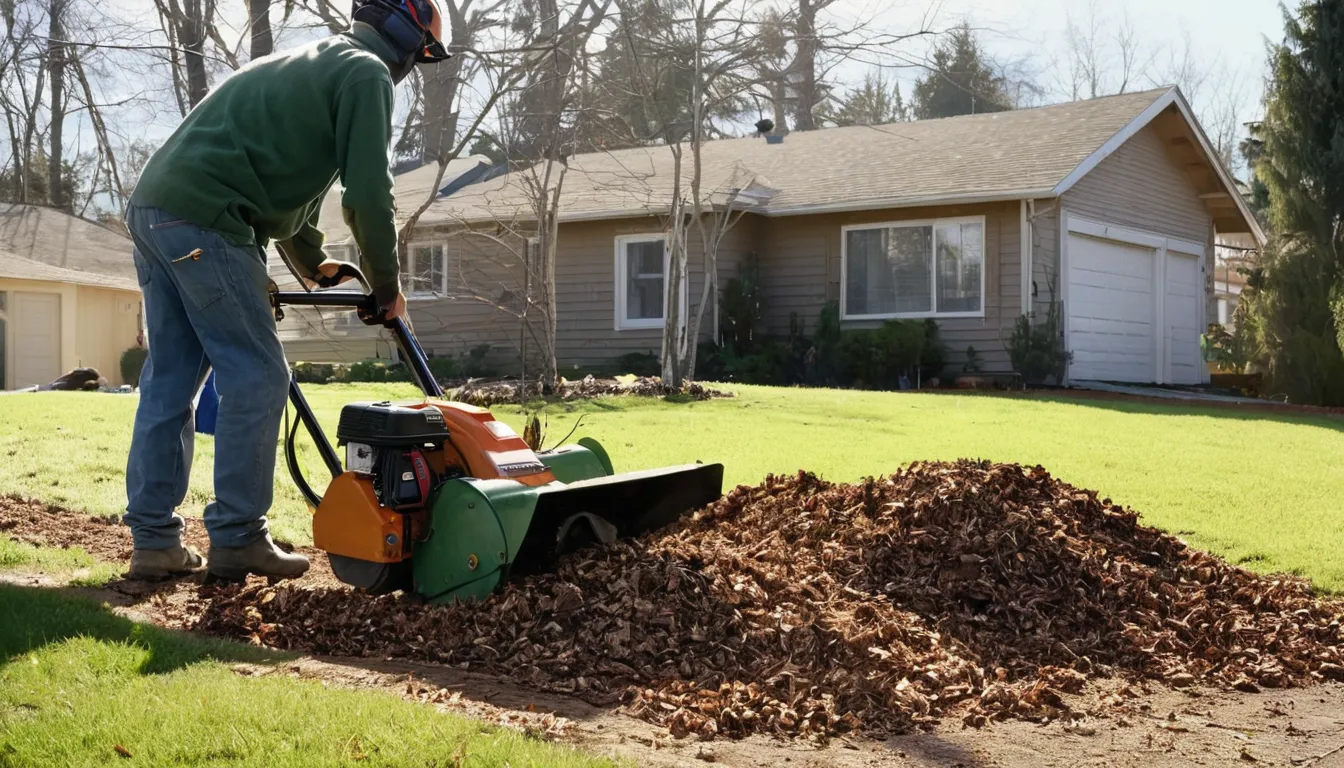
A grinder is a machine with a spinning cutting wheel. The operator sweeps it across the stump in passes. Each pass shaves the wood into chips.
Most providers grind about 6 to 12 inches below the surface. That depth lets you plant grass or shrubs on top. Deeper grinding costs more and is only needed for a new tree or a patio.
Grinding vs. Full Stump Removal
Grinding leaves the roots in the ground to decay. It is quicker, causes less mess, and suits most yards.
Full removal digs out the stump and major roots. It leaves a large hole and needs heavier equipment. It makes sense when you plan to pour concrete or build over the spot.
Ask the provider which fits your plan. Both can be priced in writing.
What Changes the Price
Providers usually quote from a few facts:
- Stump width, measured across the top
- Number of stumps on the property
- Grinding depth you want
- Exposed roots that also need grinding
- Access, such as a narrow gate or a steep yard
Photos with a tape measure beside the stump help a provider quote more closely. Get the number in writing before work starts.
Tight Lots and Older Yards
Multi-family properties and Cape Cod style homes often have narrow side yards. A standard grinder may not fit. Smaller tracked machines can pass through gates about three feet wide. Measure your gate and tell the provider.
Getting Ready for the Visit
A little prep avoids delays and surprise charges.
- Clear toys, hoses, and planters from the area
- Mark sprinkler heads, drainage lines, and any buried cables you know about
- Move vehicles away from the work zone
- Keep children and pets indoors during grinding
Chips can fly. Close nearby windows and keep a few feet of space around the machine.
Stumps Left From Past Removals
Old stumps are common after a previous owner cut a tree. Hardened, rotting wood can still be ground. Hidden rocks or buried metal may slow the work, so ask the provider how they handle that.
If a stump sits under a deck or fence line, say so up front. That may change the method.
What Happens to the Wood Chips
Grinding leaves a mound of chips. Ask whether the provider will leave them, spread them, or haul them away. Hauling may be a separate line on the quote.
Fresh chips are fine as mulch around trees and beds. Keep them away from the house, since damp chips can hold moisture against siding.
After Grinding: Next Steps
Fill and Level the Spot
The grinding hole settles as chips break down. Top it with clean topsoil in layers. Pack it lightly, then check it again after the first heavy rain or spring snowmelt.
Seed, Sod, or Replant
Grass seed works on small spots. For a new tree, wait until the chips are removed or well settled. Avoid planting too close to the old root zone.
Questions to Ask the Provider
- What does the quote include: depth, root flare, chip cleanup?
- Is there a minimum charge for a small job?
- Do you carry insurance for damage to lawns, fences, or lines?
- What happens if you hit a rock, wire, or pipe?
- When can the work be scheduled?
Request a callback to check provider availability and ask these questions. A written quote keeps everyone on the same page.
Protect the Property
A clean, level yard shows well to buyers. A rotting stump or a sunken patch does not. Doing the job right now avoids repair work later and keeps the lot looking cared for.
What's Included
Stump Grinding
A grinder shaves the stump into chips below ground level so you can reuse the space.
Root Flare Work
Providers can also grind surface roots that trip people or block the mower.
Chip Cleanup Options
Ask whether chips stay as mulch, get spread, or are hauled away, and how it is priced.
Hole Prep Advice
Providers can explain how to fill, settle, and reseed the spot once the grinding is done.
Typical Stump Grinding Costs
Prices in the U.S. vary with stump size, access, and local rates. These ranges are typical, not quotes. Always ask the provider for a written estimate before work begins.
| Item | Typical range | Notes |
|---|---|---|
| Small stump (under 12 in.) | $100 – $200 | Many providers set a minimum charge |
| Medium stump (12–24 in.) | $150 – $400 | Most common home job |
| Large stump (over 24 in.) | $300 – $700 | More time and wear on the machine |
| Several stumps, same visit | $250 – $800 | Per-stump rate often drops |
| Full stump removal with roots | $350 – $1,200 | Needs digging equipment |
| Chip haul-away | $50 – $200 | Depends on volume |
How It Works
Describe the Stump
Share size, location, and any storm damage so the provider can plan the right grinder and approach.
Compare Written Quotes
Check depth, cleanup, and minimum charges so quotes match.
Prep the Site
Clear the area, mark known lines, and keep pets and children inside.
Grind and Finish
The provider grinds the stump, then you fill, level, and replant the spot.
Why Call Polandscientist Tree Service
Options Before Any Work
See grinding, removal, and cleanup choices laid out plainly so you decide with a clear picture.
Local Providers
Independent providers in our network know regional soil and yard layouts.
Plain Next Steps
Know what to prepare, what to ask, and what happens after the grinder leaves.
Protect the Property
A level, tidy yard protects your lawn, curb appeal, and resale value.
Other Services
Need stump grinding help in Princeton?
Tell us about your tree, your property and your timing. Polandscientist Tree Service will point you to independent local providers who can review the job and quote it in writing.
No obligationStump Grinding Help FAQ
- How deep do providers grind a stump?
- Most grind about 6 to 12 inches below the surface, enough for grass or shrubs. Deeper grinding takes longer and costs more. Tell the provider what you plan to plant so they quote the right depth.
- Is stump grinding the same as stump removal?
- No. Grinding shreds the stump and leaves roots to decay underground. Removal digs out the stump and major roots, leaves a bigger hole, and costs more. Choose by what you plan to build or plant.
- Can an old stump be ground years after the tree was cut?
- Yes. Old, dry, or rotting stumps can still be ground. Hidden rocks or buried metal may slow the work, so ask the provider how they handle surprises and whether that could change the quote.
Tell us what happened
Tell us about your tree, your property and your timing. Polandscientist Tree Service will point you to independent local providers who can review the job and quote it in writing.
No obligation